
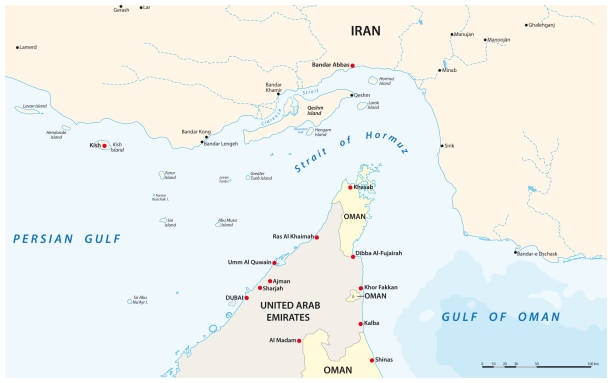

The latest Iran Strait of Hormuz conflict news is once again drawing global attention to one of the most strategically important waterways in the world. The Strait of Hormuz, a narrow passage connecting the Persian Gulf to the Gulf of Oman and the Arabian Sea, plays a crucial role in international energy trade. Nearly a fifth of the world’s oil supply passes through this critical route every day.
In recent months, tensions involving Iran and other regional and global powers have heightened concerns about the safety of commercial shipping in the area. Any escalation in the conflict could have major consequences not only for Middle Eastern security but also for global oil markets and the world economy.
This article explores the background of the conflict, recent developments, and why the Strait of Hormuz remains a geopolitical flashpoint.
Why the Strait of Hormuz Is So Important
The Strait of Hormuz is considered one of the world’s most vital energy corridors. At its narrowest point, the strait is only about 33 kilometers wide, yet it carries a massive volume of global energy exports.
Countries such as Saudi Arabia, Iraq, Kuwait, the United Arab Emirates, and Qatar rely heavily on this route to transport crude oil and liquefied natural gas to international markets. Tankers leaving Persian Gulf ports must pass through this narrow channel before reaching global trade routes.
Because of its strategic importance, any disruption in the Strait of Hormuz can cause immediate spikes in oil prices and financial market instability. For this reason, global powers closely monitor the Iran Strait of Hormuz conflict news whenever tensions rise.
Iran’s Strategic Position in the Strait
Iran occupies a powerful geographical position along the northern coastline of the Strait of Hormuz. This location gives Tehran significant influence over maritime traffic passing through the region.
Over the years, Iranian officials have repeatedly warned that they could restrict or block the strait if their national security is threatened. Such statements are often made during periods of political tension, especially when sanctions or military pressure from other countries intensifies.
Iran’s naval forces, including the Islamic Revolutionary Guard Corps Navy (IRGCN), regularly conduct patrols and military exercises in the area. These operations are intended to demonstrate the country’s ability to defend its territory and assert control over nearby waters.
Rising Tensions in Recent Conflict News
Recent Iran Strait of Hormuz conflict news highlights growing concerns about military encounters and regional rivalry. Naval patrols, drone surveillance, and military drills have increased across the Persian Gulf region.
Several Western governments have expressed concern over what they describe as aggressive maritime behavior. Meanwhile, Iran maintains that its military presence is defensive and necessary to protect its sovereignty.
These tensions are often linked to broader geopolitical issues, including sanctions, nuclear negotiations, and rivalries between Iran and Gulf Arab states.
Whenever such tensions escalate, global shipping companies and oil traders begin closely monitoring the situation. Even minor incidents can create uncertainty in energy markets.
Impact on Global Oil Markets
The Strait of Hormuz is responsible for transporting millions of barrels of crude oil every day. Because of this, the global economy is extremely sensitive to any threat to this route.
When conflict news emerges from the region, oil prices often react immediately. Traders worry that disruptions could slow down or halt shipments from major oil-producing countries.
Even the possibility of temporary restrictions can lead to higher fuel prices worldwide. This affects transportation costs, manufacturing, and consumer prices in many countries.
Energy analysts often say that stability in the Strait of Hormuz is essential for maintaining balance in global oil markets.
Military Presence in the Gulf
Due to the strategic importance of the region, several countries maintain naval forces in nearby waters. International fleets regularly patrol the Gulf to ensure the safety of commercial shipping and prevent maritime security threats.
Military vessels from multiple nations frequently conduct joint operations and monitoring missions in the region. These operations are designed to deter potential threats and maintain freedom of navigation.
However, the presence of multiple military forces operating in close proximity can sometimes increase the risk of misunderstandings or accidental confrontations.
This complex security environment makes every piece of Iran Strait of Hormuz conflict news closely watched by governments, investors, and shipping companies around the world.
Shipping and Maritime Safety Concerns
Commercial shipping companies rely heavily on safe passage through the Strait of Hormuz. Oil tankers, cargo vessels, and liquefied natural gas carriers move through the channel daily.
When tensions rise, shipping companies often take extra precautions. Some vessels increase security measures, adjust routes, or travel in escorted convoys.
Insurance costs for ships traveling through the region may also increase during periods of heightened risk. These additional expenses eventually influence global shipping costs and trade prices.
Despite these challenges, the strait remains one of the busiest shipping lanes in the world.
Diplomatic Efforts to Reduce Conflict
While military tensions often dominate headlines, diplomatic efforts continue behind the scenes to reduce the risk of escalation.
Regional countries and international organizations frequently encourage dialogue and de-escalation measures. Diplomatic channels are used to prevent misunderstandings and maintain stability in the Gulf.
Energy-dependent economies around the world strongly support peaceful solutions because of the economic importance of uninterrupted oil supply routes.
Maintaining stability in the Strait of Hormuz is considered a shared international priority.
The Global Economic Stakes
The significance of the Iran Strait of Hormuz conflict news goes far beyond regional politics. The global economy depends heavily on energy flows from the Middle East.
Any serious disruption in the strait could affect oil supply chains across Asia, Europe, and North America. Countries that import large quantities of oil would likely face higher costs and potential shortages.
This is why global markets often react quickly whenever tensions escalate in the region. Investors and policymakers understand that the Strait of Hormuz represents one of the most sensitive points in the global energy system.
Looking Ahead
The situation in the Strait of Hormuz remains dynamic and closely watched by the international community. While tensions periodically rise and fall, the region continues to hold enormous strategic and economic importance.
Future developments will likely depend on diplomatic negotiations, regional politics, and global energy demand. Many experts believe that maintaining open communication channels between regional powers is essential to preventing conflict.
For now, the world continues to follow every update related to the Iran Strait of Hormuz conflict news, knowing that stability in this narrow waterway has far-reaching consequences for global energy security.

